
























Holiday Lighting Displays: How to Plan a Spectacular Commercial Light Show
There’s something magical about a holiday light display done right. When thousands of lights pulse in rhythm, tunnels glow with color, and plazas transform into immersive winter wonderlands, you’ve created more than décor. You’ve created a destination. Commercial holiday lighting displays draw crowds, generate buzz, and turn ordinary spaces into must-see attractions.
Whether you’re a theme park, resort, shopping center, or municipality, you can plan a spectacular light show that brings joy to visitors during the holidays.
Types of Holiday Light Displays
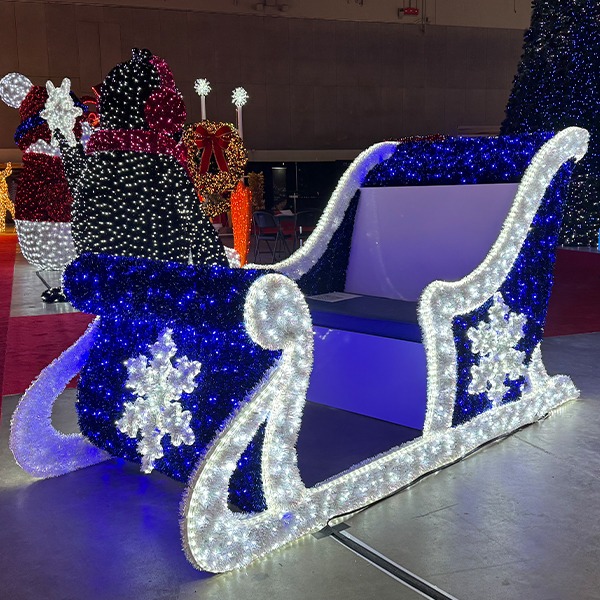
Not all Christmas light displays are created equal. Static displays feature beautifully lit scenes and structures that create a classic holiday ambience.
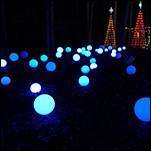
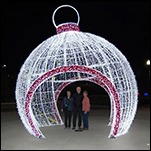
Animated displays add movement through sequenced lighting effects. Synchronized-to-music shows choreograph lights to a soundtrack for a fully immersive experience. Walk-through tunnels invite guests to step inside the display, surrounded by color and light. Many successful holiday lighting displays combine multiple types to create variety and keep visitors exploring.
Who Creates These Experiences?
Commercial holiday lighting displays are commissioned by organizations that understand the power of seasonal experiences. Theme parks use elaborate light shows as anchor attractions during the holiday season. Resorts create festive environments that enhance guest stays and encourage social sharing.
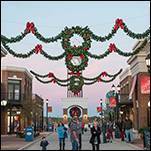
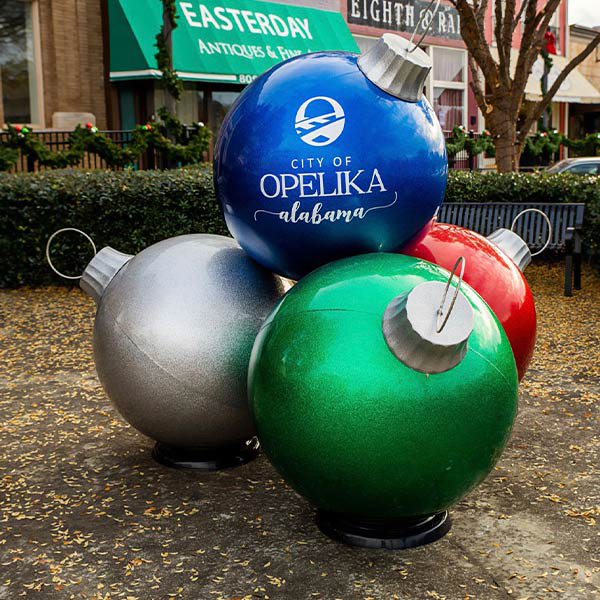
Shopping centers draw foot traffic with dazzling displays that turn a mall visit into an outing. Municipalities invest in Christmas lighted displays to bring communities together and position their towns as holiday destinations. Each has different goals, but all benefit from professional design and execution.
Your Planning Timeline From Concept to Reveal
A successful holiday light display follows a structured path from vision to unveiling. It begins with concept development, where you define the story and experience you want to deliver.
Next comes design, where layouts, focal points, and lighting sequences are mapped in detail. Procurement sources the right fixtures, RGB controllers, and structural elements. Installation requires careful coordination, often spanning several weeks for large displays. Finally, the reveal brings it all together, ideally with a launch event that generates excitement. For best results, ensure you allow ample lead time for planning and execution before opening night.
Key Design Elements for Impactful Displays
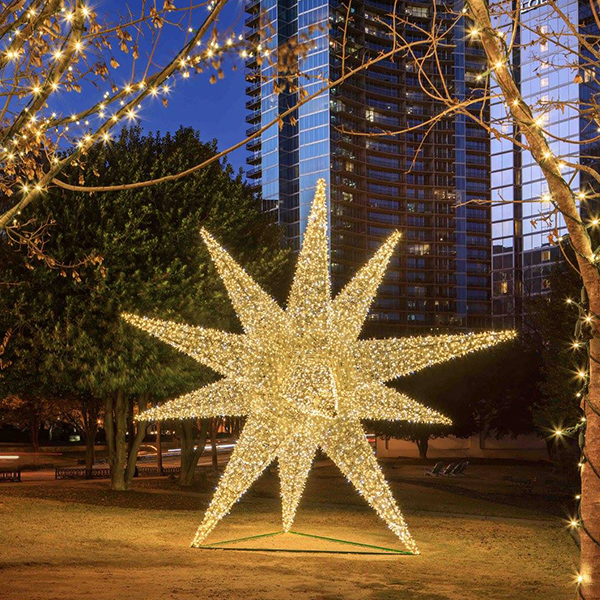
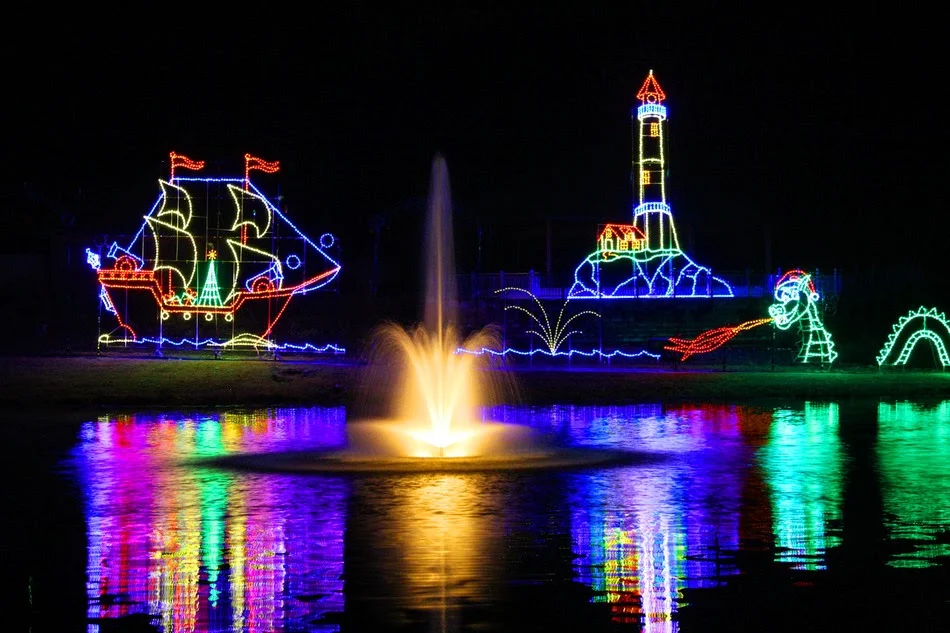
The most memorable holiday light displays share common design principles. Strong focal points anchor the experience, whether it’s a towering centerpiece, an animated sculpture, or a dramatic archway. Light curtains create photo-worthy moments as guests enjoy cascading colors. Projection mapping adds dynamic visuals to buildings.
RGB programming enables color-changing sequences and music synchronization that elevate displays into living shows. Thoughtful pathways guide visitors through the experience, building anticipation along the way.
Budget Considerations by Display Size
Budgets for commercial holiday lighting displays are tailored to each project’s vision, scale, and complexity. Factors that shape the overall investment include fixture count, whether you choose RGB versus static lighting, the need for custom fabrication, and programming complexity.
Our quality displays are built to last, delivering returns over multiple seasons. A knowledgeable partner can help maximize impact within your budget and plan for phased expansion.
Frequently Asked Questions
We’re happy to answer any questions you may have about how to plan a light show for the holiday season.
Should I rent or buy my light display?
Whether you should rent or buy your light display depends on several factors, such as budget and planned usage. You may prefer to buy a light display if you plan to use it for a long period or over multiple seasons. Buying typically offers more customization options, too, allowing you to create your dream light show.
Renting a light display may be a preferable option when you have a limited budget up front. Renting can also appeal if you don’t want to store or maintain your equipment yourself, although some providers can offer storage and maintenance plans to make this easier for you.
Do I need weatherproof gear for my light display?
Yes, you will need weatherproof gear for your light display if you intend to use it outdoors. Rain, snow, wind, and UV radiation can all damage outdoor light display equipment, leading to equipment failure and a shortened equipment lifespan. Using non-weatherproof lighting equipment outside can also cause electrical hazards.
To avoid these risks, you should buy weatherproof or outdoor-rated lights, connectors, and control equipment that can be used safely throughout the year.
What are the power requirements for a light display?
The power requirements for a light display depend on the system’s size and lighting type, as well as the number of fixtures and complexity of effects. All of our lights operate on standard 110-volt power.
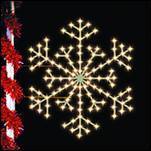
Wattage and amperage vary by product, from light sets that draw just 0.06 amps to large trees and displays that require 20 amps.In most cases, 10 amps is plenty for a single display—and often enough to power several smaller pieces. For example, many of our snowflakes draw approximately 1 amp each. The number of displays you can power together depends on their combined electrical load and the available circuit capacity.
To calculate the power requirements for your Christmas light display, add up the wattage of each light and component, and ensure your power supply can deliver the necessary voltage and amperage for the total load. For large-scale shows, we help develop power maps so you know how much power you need and where you need it. Your sales associate can confirm the specific power requirements for your display and help you plan accordingly.
How do I sync lights to music?
You can sync lights to music by using a specialized control system, but the exact method will depend on the hardware and software you’re using.
Syncing lights to music combines compatible controllers with custom programming that coordinates your displays with a soundtrack. Whether you have existing displays you’d like to synchronize or an idea for a brand-new show, reach out to Mosca Design—we can help bring it to life! If you already have a diagram or layout, we’d love to see it.
We program our shows using xLights and select controllers to suit your display, including Rainmin RGB controllers and Light-O-Rama controllers for traditional on/off or dimming displays. We can also incorporate fog machines, snow machines, gobo projectors, and other effects to create a complete show experience.
How much does it cost to run a light display?
The cost of running a light display can vary, depending on its size and complexity.
A light display can be anything from a decorated front yard to a town’s Christmas tree and downtown decorations—or a drive-through attraction stretching for miles. The cost depends on your vision, the size of your space, and how the display will be installed and operated.
At Mosca Design, we work with a wide range of budgets. We’ve created stunning hotel holiday programs for around $30,000, helped develop immersive experiences for approximately $50,000, and designed more extensive shows starting around $200,000. We also support established attractions that have grown over 30 years or more, with millions of dollars invested over time.
It helps to consider two parts of your budget:
-
Creating the display: Lights, decorations, controllers, programming, and any special effects typically make up the largest initial investment. Installation, takedown, and storage also factor into the cost. Some customers use their own staff or volunteers, while others choose professional installation.
-
Operating the display: Electricity costs depend on the equipment, local utility rates, and nightly operating hours. Our LED lighting helps keep energy use low. A simple, unattended display may need little day-to-day attention beyond scheduled operation and routine checks, while a staffed attraction may also require admissions staff, traffic management, security, and other event support.
You don’t need a miles-long show to make a memorable impression. Share your space, goals, and budget with your sales associate, and we’ll help you plan a display that fits.
Bring Your Vision to Life With MOSCA Design
With over 40 years of experience creating holiday light displays for municipalities, theme parks, resorts, and shopping centers nationwide, MOSCA Design has the expertise to turn your vision into reality.
Our team handles everything from custom design and RGB programming to full installation and post-season storage. We’ve helped clients create highly successful displays that attract many visitors and become beloved seasonal traditions. Ready to plan your next spectacular light show?
Explore our professional light solutions or contact us today to request a consultation and explore what’s possible for your space.
Holiday Lighting Displays: How to Plan a Spectacular Commercial Light Show
There’s something magical about a holiday light display done right. When thousands of lights pulse in rhythm, tunnels glow with color, and plazas transform into immersive winter wonderlands, you’ve created more than décor. You’ve created a destination. Commercial holiday lighting displays draw crowds, generate buzz, and turn ordinary spaces into must-see attractions.
Whether you’re a theme park, resort, shopping center, or municipality, you can plan a spectacular light show that brings joy to visitors during the holidays.
Types of Holiday Light Displays
Not all Christmas light displays are created equal. Static displays feature beautifully lit scenes and structures that create a classic holiday ambience.
Animated displays add movement through sequenced lighting effects. Synchronized-to-music shows choreograph lights to a soundtrack for a fully immersive experience. Walk-through tunnels invite guests to step inside the display, surrounded by color and light. Many successful holiday lighting displays combine multiple types to create variety and keep visitors exploring.
Who Creates These Experiences?
Commercial holiday lighting displays are commissioned by organizations that understand the power of seasonal experiences. Theme parks use elaborate light shows as anchor attractions during the holiday season. Resorts create festive environments that enhance guest stays and encourage social sharing.
Shopping centers draw foot traffic with dazzling displays that turn a mall visit into an outing. Municipalities invest in Christmas lighted displays to bring communities together and position their towns as holiday destinations. Each has different goals, but all benefit from professional design and execution.
Your Planning Timeline From Concept to Reveal
A successful holiday light display follows a structured path from vision to unveiling. It begins with concept development, where you define the story and experience you want to deliver.
Next comes design, where layouts, focal points, and lighting sequences are mapped in detail. Procurement sources the right fixtures, RGB controllers, and structural elements. Installation requires careful coordination, often spanning several weeks for large displays. Finally, the reveal brings it all together, ideally with a launch event that generates excitement. For best results, ensure you allow ample lead time for planning and execution before opening night.
Key Design Elements for Impactful Displays
The most memorable holiday light displays share common design principles. Strong focal points anchor the experience, whether it’s a towering centerpiece, an animated sculpture, or a dramatic archway. Light curtains create photo-worthy moments as guests enjoy cascading colors. Projection mapping adds dynamic visuals to buildings.
RGB programming enables color-changing sequences and music synchronization that elevate displays into living shows. Thoughtful pathways guide visitors through the experience, building anticipation along the way.
Budget Considerations by Display Size
Budgets for commercial holiday lighting displays are tailored to each project’s vision, scale, and complexity. Factors that shape the overall investment include fixture count, whether you choose RGB versus static lighting, the need for custom fabrication, and programming complexity.
Our quality displays are built to last, delivering returns over multiple seasons. A knowledgeable partner can help maximize impact within your budget and plan for phased expansion.
Frequently Asked Questions
We’re happy to answer any questions you may have about how to plan a light show for the holiday season.
Should I rent or buy my light display?oes Here
Whether you should rent or buy your light display depends on several factors, such as budget and planned usage. You may prefer to buy a light display if you plan to use it for a long period or over multiple seasons. Buying typically offers more customization options, too, allowing you to create your dream light show.
Renting a light display may be a preferable option when you have a limited budget up front. Renting can also appeal if you don’t want to store or maintain your equipment yourself, although some providers can offer storage and maintenance plans to make this easier for you.
Do I need weatherproof gear for my light display?
Yes, you will need weatherproof gear for your light display if you intend to use it outdoors. Rain, snow, wind, and UV radiation can all damage outdoor light display equipment, leading to equipment failure and a shortened equipment lifespan. Using non-weatherproof lighting equipment outside can also cause electrical hazards.
To avoid these risks, you should buy weatherproof or outdoor-rated lights, connectors, and control equipment that can be used safely throughout the year.
What are the power requirements for a light display?
The power requirements for a light display depend on the system’s size and lighting type, as well as the number of fixtures and complexity of effects. To calculate the power requirements for your Christmas light display, add up the wattage of each light and component, and ensure your power supply can deliver the necessary voltage and amperage for the total load.
How do I sync lights to music?
You can sync lights to music by using a specialized control system, but the exact method will depend on the hardware and software you’re using. You’ll then feed the music track into this system, which will analyze the audio’s beats, rhythms, and frequency changes. A lighting designer can then use this analysis to sequence light cues that match the music, setting specific colors, brightness levels, patterns, and movements to the music.
Finally, the control system will send the commands to the light system.
How much does it cost to run a light display?
The cost of running a light display can vary, depending on its size and complexity. However, you’ll have to budget for electricity consumption, maintenance, and storage. If you’re running a commercial holiday light show, you’ll also have to consider staffing costs.
Bring Your Vision to Life With MOSCA Design
With over 40 years of experience creating holiday light displays for municipalities, theme parks, resorts, and shopping centers nationwide, MOSCA Design has the expertise to turn your vision into reality.
Our team handles everything from custom design and RGB programming to full installation and post-season storage. We’ve helped clients create highly successful displays that attract many visitors and become beloved seasonal traditions. Ready to plan your next spectacular light show?
Explore our professional light solutions or contact us today to request a consultation and explore what’s possible for your space.